


Hydronic Heating Installation in Las Vegas, NV
Proudly serving the entire Las Vegas Valley since 2020
- Locally Owned & Operated
- Industry-Leading Expertise
- 24/7 Availability
- Locally Owned & Operated
- Industry-Leading Expertise
- 24/7 Availability
#1 Hydronic Heating System Installation in Las Vegas, NV
Hydronic heating gives Las Vegas homeowners a comfortable, efficient alternative to traditional forced‑air systems by using heated water to warm their home instead of blowing hot air through ducts. A properly designed hydronic heating system can supply radiant floor heating, radiators, or baseboard units for quiet, even heat without drafts or cold spots.
At 32 Degrees Heating and Cooling, we design and install hydronic heating systems tailored to our desert climate, your home’s layout, and your comfort goals. Whether you’re planning radiant floor heating for a new build or adding radiant heating installation during a major remodel, our team helps you choose the right solution for long‑term performance.
our services
Contact Us
What Your Neighbors Are Saying About Us
What Is a Hydronic Heating System?
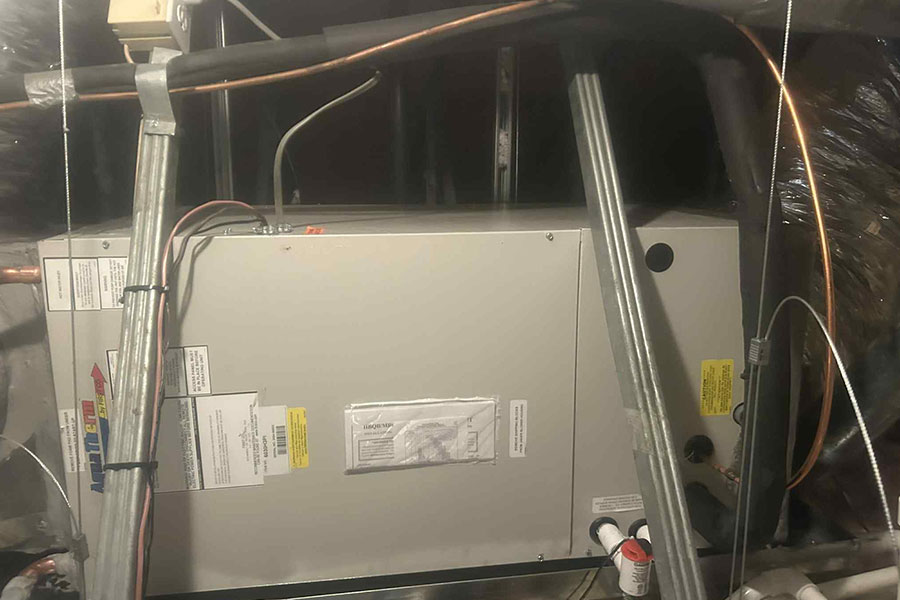
A hydronic heating system uses a boiler or compatible heat source to warm water, then circulates it through a closed network of piping that delivers heat to your living spaces. This heated water flows through radiant floor loops, panel radiators, or baseboard heaters, releasing gentle radiant warmth into the room before returning to be reheated.
Because water carries heat more efficiently than air, hydronic systems can operate at lower temperatures while still keeping rooms comfortable. In a Las Vegas home, hydronic heating often works alongside a separate cooling system or heat pump, giving you highly efficient heat on cooler nights without over‑relying on your forced‑air system.
Key components of a hydronic heating system include:
- Heat source (high‑efficiency boiler, combi boiler, or air‑to‑water heat pump) that warms the water circulating through the system
- PEX or similar tubing that carries heated water to radiant floors or emitters throughout the home
- Manifolds that distribute water to each loop or zone and allow precise balancing
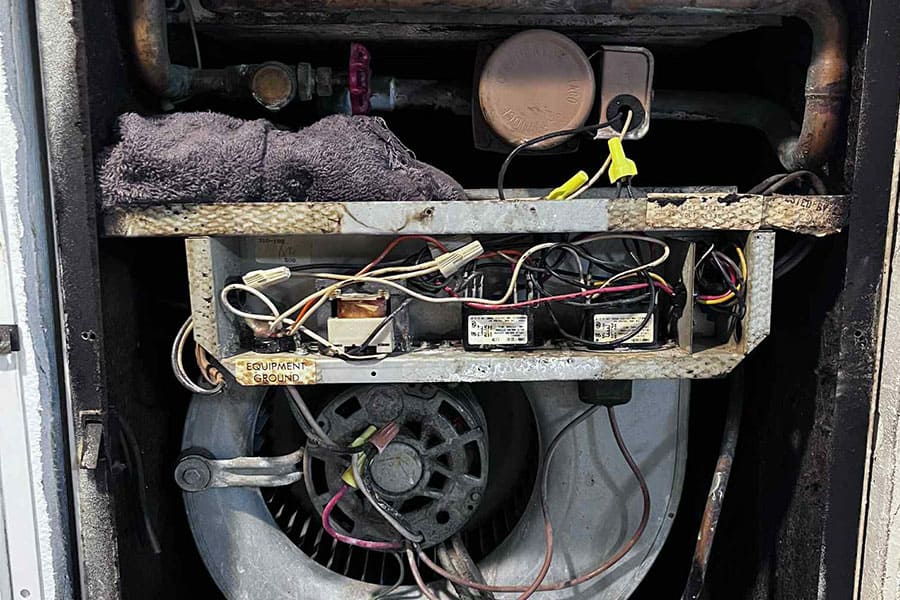
- Pumps and valves that control flow, pressure, and temperature to each area
- Thermostats and controls that manage zone temperatures and schedules for comfort and efficiency
Radiant Floor Heating: Warmth from the Ground Up
Radiant floor heating is one of the most popular ways to use a hydronic heating system because it turns your floors into a comfortable, low‑temperature heat source. Tubing is installed beneath or within the floor so warm water can gently heat the surface, which then radiates heat evenly throughout the room.
Instead of hot air accumulating at the ceiling, radiant floor heating keeps warmth where you feel it—near your feet and in your living space. This even distribution means you can often set your thermostat a bit lower while still feeling perfectly comfortable, helping reduce energy use over the heating season.
Radiant floor heating works especially well in:
- Bathrooms and primary suites where warm floors make cool mornings more comfortable
- Open living areas and great rooms that benefit from even, draft‑free heat
- Basements or slab‑on‑grade areas that tend to feel cold underfoot
- New additions or custom homes where radiant heating installation can be planned into the structure from the start
Common hydronic radiant floor installation methods include slab‑embedded tubing in concrete, thin‑slab assemblies over existing subfloors, and low‑profile panel systems installed under or over the subfloor. Our team selects the right approach based on your project type, floor coverings, and structural conditions.
Hydronic Heating Installation: Our Process
A durable hydronic heating system depends on careful design, quality materials, and precise installation—not just running tubing and turning on a boiler. 32 Degrees Heating and Cooling follows a structured process to ensure your radiant heating installation performs as expected for years.
1. In‑Home Consultation and Heat‑Load Evaluation
We start by evaluating your home’s layout, insulation, and existing HVAC equipment to determine how much heat each room really needs. This heat‑load evaluation helps us size your hydronic heating system correctly so it stays efficient, avoids short‑cycling, and maintains even temperatures throughout your home.
During this visit, we review your comfort priorities, discuss where radiant floor heating makes the most sense, and consider how the system will integrate with your current or planned cooling setup.
2. System Design and Zoning
Next, we design a hydronic heating layout tailored to your home and lifestyle. This may include radiant floor heating in high‑use spaces, panel radiators in select rooms, or a combination approach that balances performance and budget.
We also design zones so you can control temperatures independently in different areas of your home—for example, separating bedrooms from main living spaces or giving bathrooms their own schedule. Thoughtful zoning helps reduce energy waste and improves comfort, especially in a climate with large day‑night temperature swings like Las Vegas.
3. Radiant Tubing and Piping Installation
Our technicians install high‑quality PEX tubing according to the chosen radiant floor method and manufacturer specifications. Loop lengths, spacing, and patterns are carefully planned to provide even heat across the floor and maintain proper flow rates.
Where accessible, we insulate beneath radiant panels or slabs to minimize heat loss to the ground or unconditioned spaces, making your system more efficient. For systems using radiators or baseboards, we route and insulate supply and return lines to protect performance and maintain a clean appearance.
4. Boiler or Heat Source Installation
We install and connect the appropriate heat source—often a high‑efficiency boiler or compatible air‑to‑water heat pump—sized specifically for your hydronic heating system. The heat source is piped to manifolds, pumps, and controls, with all safety devices, expansion tanks, and code‑required protections in place.
Our team ensures that design water temperatures, typically in the low‑to‑moderate range for radiant floors, match your floor coverings and assembly so you get comfortable, efficient operation.
5. Startup, Testing, and Balancing
Before your hydronic heating system goes into regular operation, we:
- Fill and purge the system to remove air from the lines
- Pressure‑test tubing and connections to confirm there are no leaks
- Verify pump operation, valve function, and thermostat communication
- Balance zones and loops so each area receives the right flow for even heating
These steps help ensure smooth, quiet performance and minimize callbacks or comfort complaints once you start using the system.
6. Homeowner Orientation and Support
At the end of installation, we walk you through your new hydronic heating system so you’re confident operating it day‑to‑day. You’ll learn how to use your thermostats, manage zones, and understand basic system indicators so you know when it’s time to call for maintenance.
We also discuss recommended maintenance intervals, what to expect from radiant floor heating in our local climate, and options for pairing hydronic heat with your existing or planned cooling system.
Benefits of Hydronic Radiant Heating for Las Vegas Homes
Hydronic radiant heating offers several advantages compared to conventional forced‑air systems, especially when comfort and efficiency are top priorities.
Homeowners choose hydronic heating systems for benefits like:
- Even, draft‑free comfort with warm floors and fewer cold spots than typical ducted heating
- Quiet operation without noisy blowers or duct noise, ideal for bedrooms and living spaces
- Improved indoor air quality because there is minimal air movement, stirring up dust and allergens
- Energy‑efficient performance since water transfers heat more effectively than air, and systems often run at lower temperatures
- Zoning flexibility that lets you heat only the spaces you use, reducing energy waste in seldom‑used rooms
- Clean aesthetics because tubing is hidden beneath floors and radiators or panels take up minimal wall space
In a cooling‑dominated climate like Las Vegas, hydronic heating installation often makes the most sense for homeowners seeking premium comfort during cooler months without oversizing or overworking a forced‑air furnace.
Hydronic Heating vs. Traditional Forced‑Air Heating
Feature | Hydronic Heating System | Traditional Forced‑Air System |
Heat delivery | Heated water circulates through tubing and emitters | Heated air is blown through ducts and registers |
Comfort | Even radiant warmth with warm floors and no drafts | Can create hot and cold spots and noticeable drafts |
Air movement & allergens | Minimal air movement, less dust and pollen circulation | Constant airflow can stir up dust and allergens |
Operating noise | Very quiet; pumps and boiler make little sound | Blower and duct noise are common during operation |
Zoning flexibility | Easy room‑by‑room or area zoning with manifolds | Zoning is possible, but often more complex and costly |
Aesthetics | Tubing hidden; slim radiators or panels if used | Registers and ductwork are required in walls, floors, and ceilings |
Typical Las Vegas use case | High‑comfort heating paired with separate cooling | Combined heating and cooling through one ducted system |
Is Hydronic Heating Right for Your Project?
Hydronic heating systems work best when they are planned into the structure of your home or a major renovation, but there are solutions for both new construction and retrofits. New builds and additions are ideal for slab‑on‑grade and thin‑slab radiant floor systems, while existing homes may benefit from low‑profile panel systems or carefully designed radiator solutions.
During your consultation, we’ll assess your home’s structure, insulation, and existing mechanical systems to determine what type of radiant heating installation is feasible and cost‑effective. We’ll also help you weigh the higher upfront investment against long‑term comfort, energy savings potential, and system lifespan.
Hydronic heating may be a great fit if you:
- Are building a custom home or a large addition in the Las Vegas area
- Want warm, comfortable floors in bathrooms, living rooms, or the primary suite
- Prefer quiet, low‑draft heating due to allergies, asthma, or personal comfort preferences
- Plan to pair high‑efficiency heating with modern cooling solutions or heat pumps
Hydronic Heating Installation FAQs
Do I still need air conditioning if I install hydronic radiant floor heating?
Yes. Hydronic radiant floor heating provides heat only, so you will still need a separate system for cooling in our hot Las Vegas summers. Many homeowners pair hydronic heat with an existing central AC, a heat pump, or ductless mini‑splits for year‑round comfort.
Can hydronic radiant floor heating work under my existing flooring?
In many cases, yes—especially with tile, engineered wood, and some vinyl products—but the details matter. We evaluate your current floor coverings, subfloor, and structure to decide whether a thin‑slab or low‑profile panel system is appropriate and to set safe water temperatures for your floor type.
Is hydronic heating efficient in a mild‑winter climate like Las Vegas?
Hydronic systems can be very efficient in climates with shorter, cooler seasons because they run at low water temperatures and can be zoned to heat only occupied areas. When combined with an efficient heat source and good insulation, hydronic radiant heating can reduce heating energy use compared to traditional high‑temperature systems.
How long does a hydronic heating system last?
With proper design, quality materials, and regular maintenance, hydronic radiant heating systems have a long service life. PEX tubing, in particular, is designed for decades of use, and modern boilers and heat pumps often have long expected lifespans when professionally installed and serviced.
What kind of maintenance does a hydronic heating system require?
Hydronic systems need periodic checks of pressure, pumps, and controls, occasional air removal from lines, and inspections of the heat source and safety devices. Our maintenance visits can include system performance checks, water quality evaluations, and verification that zones and thermostats are operating correctly.
For hydronic heating system design, radiant floor heating, and professional hydronic heating installation in Las Vegas, NV, contact 32 Degrees Heating and Cooling to schedule your consultation.